


CONSERVATION EDUCATION
Water
Water is South Dakota's most essential resource and one of its most vulnerable. From the rivers and lakes that shape the landscape to the groundwater that flows beneath it, water touches every part of life here: drinking, farming, ranching, fishing, and wildlife. How we manage it determines what's left for the next generation.

What makes South Dakota's water remarkable?
South Dakota sits at a unique hydrological crossroads. The Missouri River, one of the longest rivers in North America, runs through the heart of the state, dividing east from west and draining a watershed that stretches from Montana to Missouri. Below the surface, the Ogallala Aquifer supplies groundwater to much of western SD, one of the most important, and most stressed, underground water sources in the world.
Eastern SD is dotted with more than 10,000 prairie potholes, shallow wetland depressions left behind by retreating glaciers. These aren't just scenic, they filter water, recharge groundwater, store floodwater, and provide critical breeding habitat for migratory waterfowl. Prairie potholes have been called the "duck factory of North America."

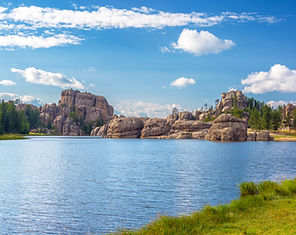
SOUTH DAKOTA'S DEFINING WATERWAY
The Missouri River
The Missouri runs 443 miles through South Dakota, practically cutting the state in half. Four dams built between the 1940s and 1960s transformed the once free-flowing river into a chain of massive reservoirs. Lake Oahe alone stretches 231 miles and has more beach acreage than the entire state of California. Together the reservoirs provide drinking water, hydroelectric power, flood control, irrigation, and world-class fishing and recreation for communities across the state.
LAKE OAHE
-
231 miles long
-
5th largest reservoir in the U.S.
-
Only SD reservoir with year-round salmon
LAKE SHARPE
-
80 miles long
-
Home to the Big Bend, one of the largest river horseshoes in the nation
LAKE FRANCIS CASE
-
107 miles long
-
Largest reservoir in southern SD
-
major walleye and pike fishery
LEWIS & CLARK LAKE
-
25 miles long
-
2M+ visitors per year
-
Site of Lewis & Clark's first meeting with the Yankton Sioux
443
miles of the Missouri River running through South Dakota
10,000
prairie potholes in eastern South Dakota
4
major dams on the Missouri River in South Dakota
What threatens South Dakota water?

Flooding & Drainage
When heavy rain or snowmelt hits faster than the land can absorb it, water floods fields, roads, and towns. It also picks up soil and contaminants along the way, carrying them into nearby streams and rivers.
.jpg)


What can people do?
Protecting water isn't just a job for farmers and ranchers. Homeowners, outdoor enthusiasts, and anyone who lives near a lake, river, or stream can make a difference. These practices help keep South Dakota's water clean, available, and healthy for everyone who depends on it
Nutrient Management
Fertilizers applied at the wrong time or in the wrong amounts wash off fields and into waterways. Applying the right nutrients, at the right rate, in the right place, and at the right time keeps them in the field where crops need them and out of the water where they cause harm.
Riparian Buffers
A riparian buffer is a strip of grass, shrubs, or trees planted along the edge of a stream, river, or lake. It acts as a filter slowing runoff, catching sediment, and absorbing nutrients before they reach the water. Even a narrow buffer makes a measurable difference in water quality.
Preservation & Restoration
Protecting existing prairie potholes and wetlands, and restoring ones that have been drained, rebuilds the natural systems that filter water, absorb floods, and support wildlife. Even small wetlands on private land provide significant benefits to the surrounding landscape.
Water Conservation
Using water efficiently, whether through drip irrigation on a farm, fixing leaky pipes at home, or timing irrigation to avoid evaporation reduces demand on rivers, lakes, and aquifers. In western SD especially, every drop conserved helps protect groundwater supplies that recharge slowly.
Clean, Drain, Dry
Zebra mussels and other aquatic invasives spread when watercraft move between lakes without being properly cleaned. Before leaving any body of water, remove all plants and debris, drain all water from the boat and equipment, and let everything dry completely before launching somewhere new. It takes minutes and can prevent years of damage.
Talk to your local district
Not sure where to start? South Dakota's conservation districts have staff who know your local watershed, water sources, and conditions. Whether you're a landowner, farmer, or just a concerned neighbor, they can point you toward programs and practices that fit your situation.
FOR EDUCATORS & CLASSROOMS
Bring water to life in your classroom!
From watersheds and wetlands to rivers and groundwater, water is one of the most engaging topics you can bring into a classroom. Explore trusted partner resources below that are South Dakota relevant and ready to use.
PARTNER WEBSITES
SOUTH DAKOTA RESOURCES
K-12
Friends of Big Sioux
A Sioux Falls-based organization offering free in-person classroom visits, field trips, and presentations for K–12 and community groups anywhere in the Big Sioux watershed. Activities include aquatic macroinvertebrate sampling, aquifer building, water quality testing, and watershed modeling - all hands-on and locally focused. They'll also create custom presentations on water quality, water quantity, or any water topic you need.
NATIONAL RESOURCES
LINKS & PDFS